Inveterate editors
The Inveterate editorial team maintains this independent reference against named primary sources.
Editorial standards
- No paid placements. We do not accept payment for a placement, a ranking or a favourable review. Where a link earns a commission, the page carrying it says so.
- No untested claims. We do not say we have tried something we have not. Prices and plan details supplied by a provider are labelled as indicative rather than presented as our own findings.
- No page for the sake of a keyword. A destination gets a page when there is something specific to say about it. That is why the site is small.
- Corrections are made in public. A factual fix is applied to the page and the update date changes with it.
31 pages by Inveterate editors
-
 Inveterate Culture and the Objects That Become Identity
Inveterate culture is the durable attachment to aesthetic objects and spaces that people refuse to outgrow, shaped by institutional mechanisms rather than nostalgia.
-
 How to Read a Film Scene Using Framing Blocking and Sound
Read a film scene by analysing framing, blocking, sound, and cutting together, and note whether the projection format is a 35mm print or a digital restoration.
-
 How Film Editing Creates Meaning Through Continuity Rhythm and Time
Film editing creates meaning through continuity, montage juxtaposition, rhythm, and time manipulation, with the Kuleshov effect as a foundational demonstration.
-
 What Production Design Does Connecting Sets Locations Props and Costume
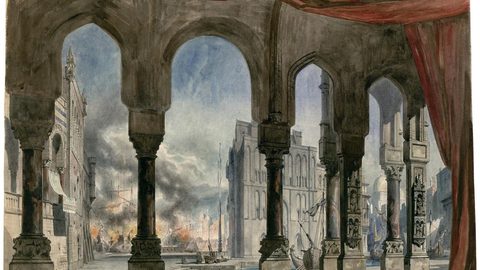
Production design is the department that builds a film's visual world through sets, locations, props, and costume, a choice between built and found environments.
-
 What Makes a Documentary Film Different From Fiction
Documentary form is defined by an indexical bond to actual events, structured through six modes that negotiate evidence, ethics, and audience expectation differently.
-
 Design Literacy That Connects Form to Use Production and Audience
Design literacy connects an object's form to its use, production, and audience, avoiding the trap of treating any single taste as a universal rule.
-
 Film Language How to Read Moving Images With Craft Knowledge
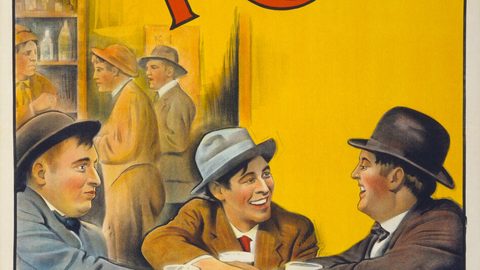
Film language is the vocabulary of craft—cinematography, editing, production design, and sound—that shapes how moving images create meaning for a viewer.
-
 What Makes a Design Functional and Not Just Good-Looking
Functional design is measured by criteria like shelf adjacency logic, binding durability, and spine legibility—not by whether something looks good in a photograph.
-
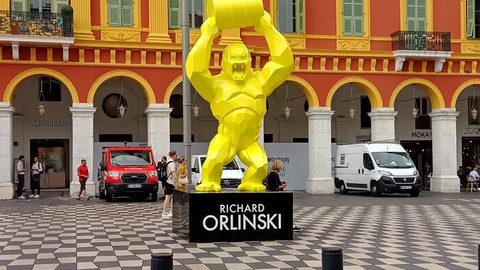 What a Design Movement Is and How It Groups Objects Without Making Them Conform
A design movement is a label that groups objects by shared arguments about form and use, not a checklist every object must conform to.
-
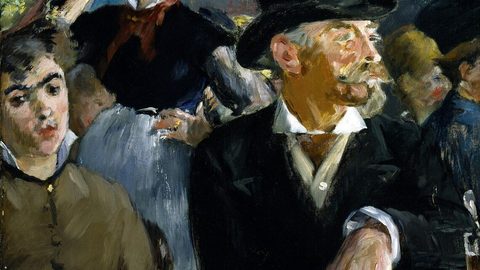 How Typography Choices Change Meaning Through Hierarchy Voice and Legibility
Typography choices about hierarchy, voice, and legibility change meaning before a word is read, from Criterion spines to Persephone grey jackets.
-
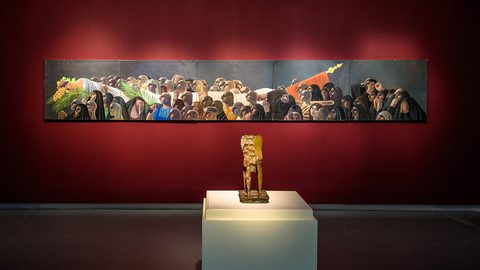 What Sustainable Design Means Separating Materials Durability Systems and Verified Impact
Sustainable design means evaluating materials, durability, and systems by verified impact over decades, not by claims about a building material's honesty.
-
 How to Critique a Design Using Purpose Evidence Trade-offs and Alternatives
Critique a design by examining its purpose, the evidence of how it is used, the trade-offs it made, and the alternatives it foreclosed.
-
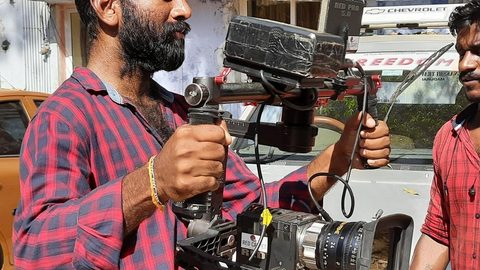 What Cinematography Includes Camera Lens Light and Movement
Cinematography includes the director of photography's choices about camera, lens, light, and movement, and the viewing format affects how those choices are perceived.
-
 What Makes Cultural Criticism Useful as an Argument
Useful cultural criticism makes a sustained argument supported by evidence, situated in a disclosed context, and distinguishable from mere opinion by its transparency.
-
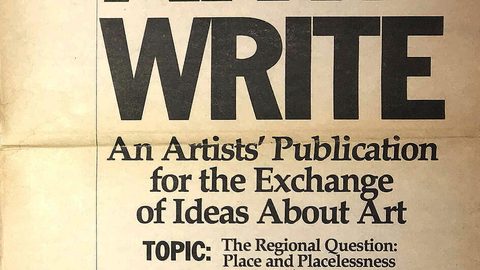 How to Write an Art Review From Encounter to Judgement
An art review moves from direct encounter through formal description and contextual analysis to a supported judgement, consulting the exhibition catalogue as the permanent record.
-
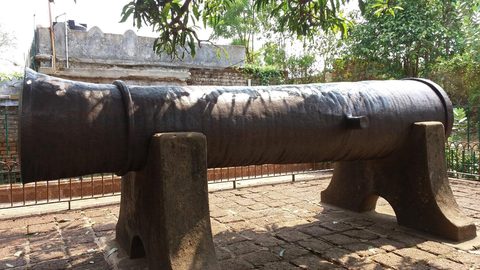 What Is a Cultural Canon and How Does It Form
A cultural canon is formed by institutional decisions about acquisition, display, and reissue, with the Criterion Collection spine-number system as a de facto permanent canon.
-
 How London and New York Cultural Institutions Differ in Structure
London fixes cultural infrastructure through Acts of Parliament and protected sightlines; New York converts private buildings into public objects through Landmarks Preservation Commission hearings.
-
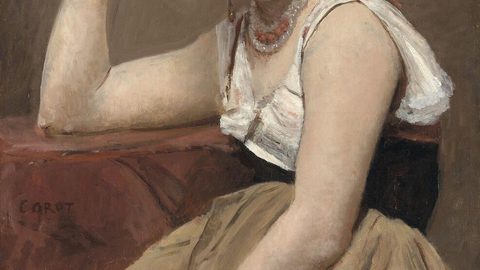 Books and Reading How Publication History Grounds Genre and Interpretation
Ground claims about genre and movement in publication history, and distinguish interpretation from settled fact when reading books.
-
 Cultural Criticism and the Institutions That Shape It
Cultural criticism is shaped by the institutions that fund, publish, and archive it. This hub maps how to read, write, and compare the systems that determine what lasts.
-
 Modern Versus Contemporary Art and the Institutional Usage Difference
Modern art is a historical period ending around the 1970s; contemporary art is institutionally defined as the art of the present, not a style.
-
 How Museums Decide What to Display Using Collecting and Conservation Limits
Museums display 2–8% of their holdings at any time due to space, conservation limits, and curatorial decisions, not because the rest is unimportant.
-
 How to Read a Novel Closely Using Voice Structure Motif and Context
Read a novel closely by attending to voice, structure, motif, and the material evidence of how a text was actually read, from annotations to edition history.
-
 What Literary Modernism Is Explaining Period Techniques and Variation
Literary modernism is a period and set of techniques whose variation among writers resists any checklist, and whose canon is shaped by reissue history.
-
 What an Unreliable Narrator Is and How to Read One
An unreliable narrator is a speaker whose account the reader comes to doubt, a concept named by Wayne C. Booth in 1961, identified through textual gaps and contradictions.
-
 How Literary Translation Shapes the Book You Read
Literary translation shapes a book through the translator's choices about equivalence, visibility, and paratext, a process theorised by Lawrence Venuti as domestication or foreignisation.
-
 How Literary Prizes Work From Jury to Influence
Literary prizes work through publisher submissions, jury deliberation, and a shortlist that drives sales and reissues, functioning as a parallel mechanism of canon formation.
-
 What Do Archives Preserve and What Do They Leave Out
Archives preserve through selection, and every selection is an argument about value. Cataloguing backlogs, closed stacks, and binding durability all shape what survives.
-
 Understanding Art Through Visual Evidence and Institutional Context
Understanding art requires separating visual observation from interpretation and knowing how institutional decisions shape what you see.
-
 How to Look at a Work of Art with a Repeatable Observation Method
A repeatable method for looking at art starts with describing what you see before consulting the label, then introduces context without letting it override observation.
-
 How to Describe Composition in Art Using Balance Rhythm and Scale
Describing composition in art means naming how balance, hierarchy, rhythm, scale, and space organise what you see on the canvas or in the room.
-
 What Abstraction in Art Means Across Degrees and Major Aims
Abstraction in art ranges from semi-abstract to non-objective, with aims including expressive, spiritual, and formalist, and no single origin story.